
Brunei Darussalam and it's Oil and Gas Industry
Brunei is a small Southeast Asian nation located on the northern coast of the island of Borneo. It is known for its significant oil and natural gas resources, which play a crucial role in the country's economy. Here are some key points about the geopolitical situation of Brunei in the oil and gas sector:
1. Oil and Gas Reserves: Brunei has substantial proven oil and natural gas reserves, and hydrocarbons have historically been the backbone of the country's economy. The oil and gas sector has been a significant driver of economic growth and government revenue.
2. Energy Sector Dominance: The government of Brunei has a significant stake in the oil and gas sector through entities like Brunei Shell Petroleum (BSP), a joint venture between the Bruneian government and Royal Dutch Shell. This partnership has been critical to the development and management of the country's oil and gas resources.
The other new comer is Hengyi from the China government joint venture with Brunei government.
3. Economic Dependence: Brunei's economy has been highly dependent on oil and gas revenues. As a result, fluctuations in global energy prices have had a direct impact on the country's fiscal health and economic stability.
4. Geopolitical Considerations: Brunei's strategic location in Southeast Asia and its energy resources have made it an important player in the regional geopolitics of energy. The country has diplomatic and economic relationships with various nations, including neighboring countries like Malaysia.
5. Diversification Efforts: Recognizing the need to diversify its economy and reduce its dependence on oil and gas, the government of Brunei has been working on initiatives to develop other sectors such as tourism, agriculture, and manufacturing.
6. Regulatory Environment: Brunei has established a regulatory framework to manage and oversee the oil and gas industry, including safety and environmental standards. The country also adheres to international agreements and standards.
7. Investment Opportunities: The government has encouraged foreign investment in the oil and gas sector, promoting opportunities for collaboration, exploration, and production. This has resulted in partnerships with international oil and gas companies.
8. Energy Transition: Like many other countries, Brunei has been considering the energy transition, exploring renewable energy sources and environmental sustainability to align with global efforts to reduce greenhouse gas emissions.
Brunei Darussalam has been emphasizing in Diversification into other industry to enhance its economy into various sectors and have since shown great success too.
???????????"Brunei has long been heavily dependent on revenue from its oil and gas sector. To reduce this dependence and foster economic diversification, the government has initiated several efforts and strategies to develop and strengthen other sectors of the economy. Here are some key aspects of Brunei's broader economic diversification efforts:"
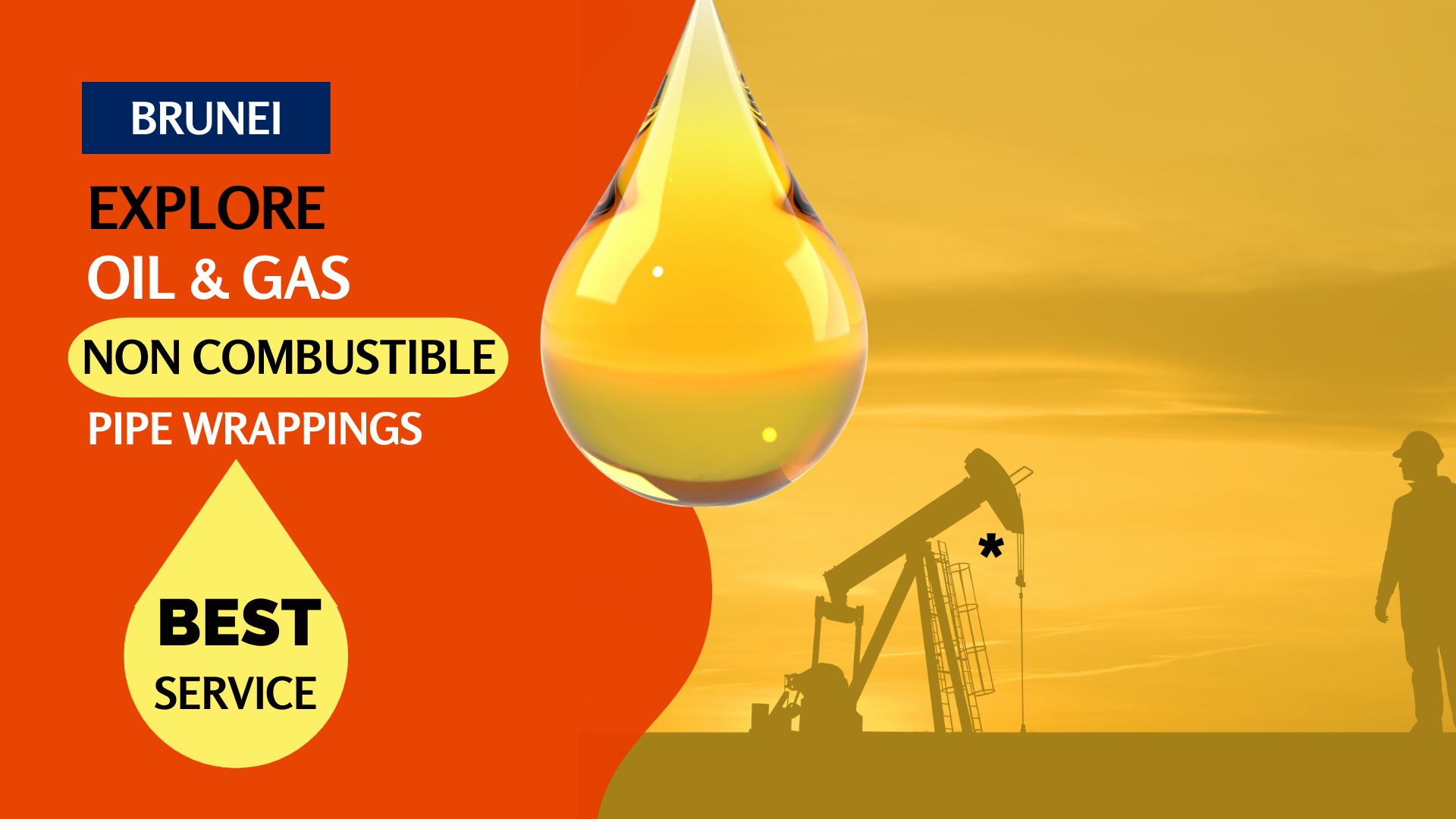
Historical Significance: Oil and natural gas have played a pivotal role in Brunei's economic development. The exploration and production of these resources have historically been the primary drivers of economic growth in the country. Income generated from the oil and gas sector has been essential in financing government initiatives, infrastructure development, and social welfare programs.
Economic Backbone: Brunei's economy has long been heavily reliant on oil and gas revenue. The hydrocarbon sector has consistently contributed a significant portion of the country's GDP and government revenue. The revenue generated from the industry has funded public services, education, healthcare, and other essential sectors.